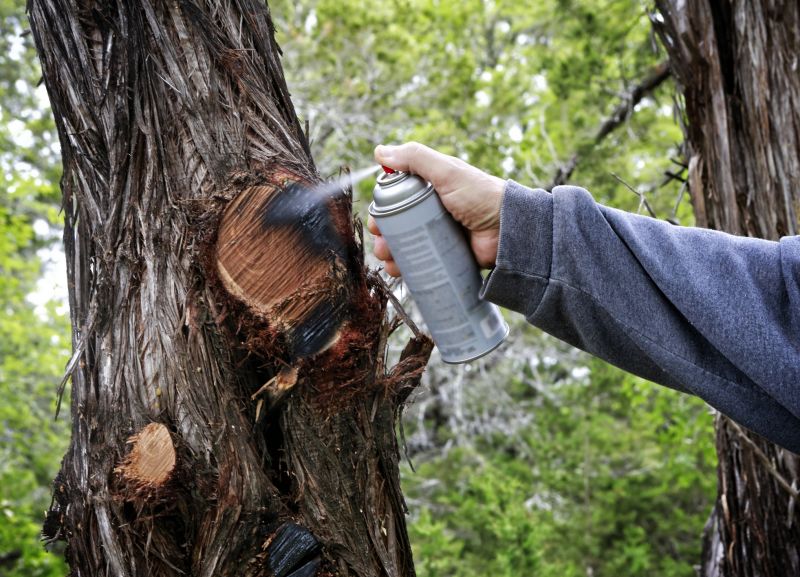
Cedar Tree Trimming in Allentown, PA
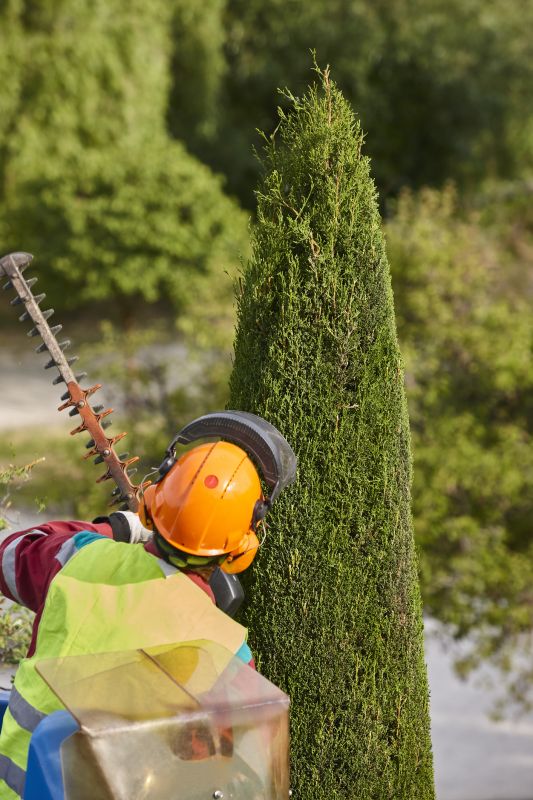
Cedar tree trimming services involve the careful shaping and pruning of cedar trees to maintain their health, appearance, and safety on residential properties. This work typically includes removing dead or diseased branches, reducing excessive growth, and shaping the tree to prevent overgrowth that could interfere with power lines, structures, or neighboring plants. Homeowners often request cedar trimming to improve curb appeal, promote healthy growth, and reduce the risk of falling branches during storms or high winds.
Before requesting cedar tree trimming, property owners should consider the overall condition of the tree, including signs of disease or damage, and the desired outcome such as size reduction or aesthetic shaping. It is also helpful to understand the best times of year for trimming to avoid unnecessary stress on the tree and to ensure the work aligns with local regulations or neighborhood guidelines. Clear communication about the specific goals for the cedar can help ensure the project meets expectations and supports the tree’s long-term health.
Many property owners in Allentown, PA look into Cedar Tree Trimming for repairs, replacements, upgrades, and appearance-related improvements.
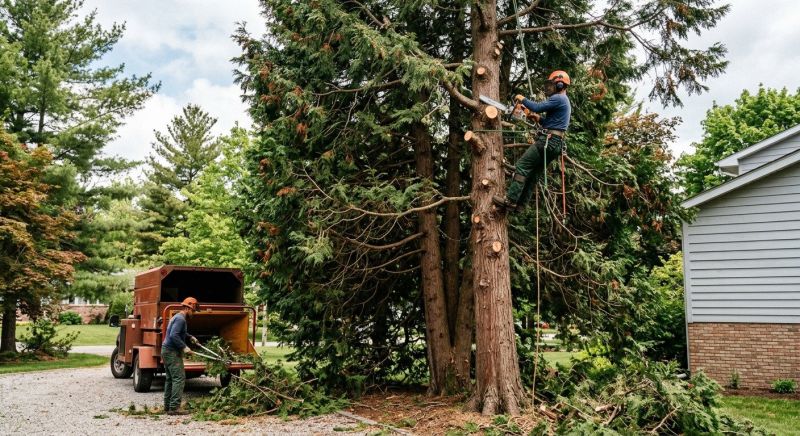
Tree Trimming Benefits
Proper pruning enhances tree health and maintains a neat appearance for properties in allentown.
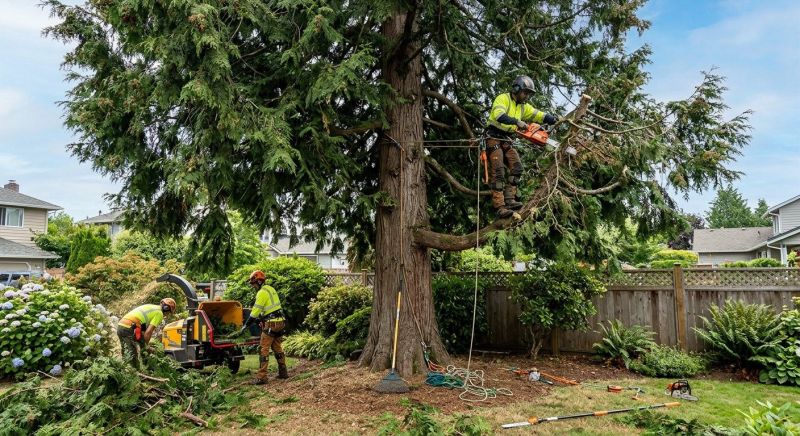
Common Trimming Services
Services include shaping, removing dead branches, and reducing tree size to prevent hazards.
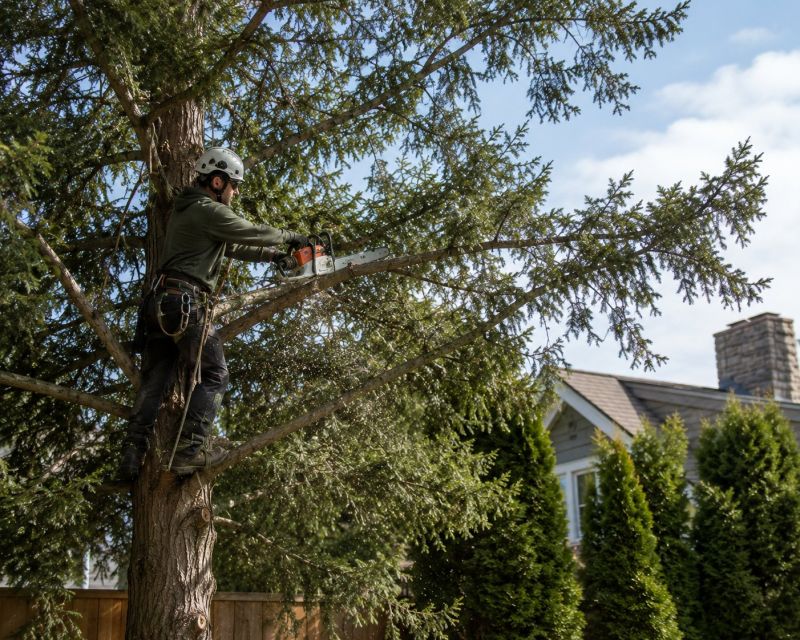
Safety And Maintenance
Regular trimming helps prevent storm damage and promotes safe, healthy growth around homes and walkways.
Cedar Tree Trimming in Allentown, PA

Cedar tree trimming services involve the careful shaping and pruning of cedar trees to maintain their health, appearance, and safety on residential properties. This work typically includes removing dead or diseased branches, reducing excessive growth, and shaping the tree to prevent overgrowth that could interfere with power lines, structures, or neighboring plants. Homeowners often request cedar trimming to improve curb appeal, promote healthy growth, and reduce the risk of falling branches during storms or high winds.
Before requesting cedar tree trimming, property owners should consider the overall condition of the tree, including signs of disease or damage, and the desired outcome such as size reduction or aesthetic shaping. It is also helpful to understand the best times of year for trimming to avoid unnecessary stress on the tree and to ensure the work aligns with local regulations or neighborhood guidelines. Clear communication about the specific goals for the cedar can help ensure the project meets expectations and supports the tree’s long-term health.
Many property owners in Allentown, PA look into Cedar Tree Trimming for repairs, replacements, upgrades, and appearance-related improvements.
Common Cedar Tree Trimming Jobs
Cedar Tree Trimming - Maintains tree health and promotes proper growth.
Cedar Tree Shaping - Enhances the appearance and symmetry of cedar trees.
Cedar Tree Pruning - Removes dead or diseased branches to prevent damage.
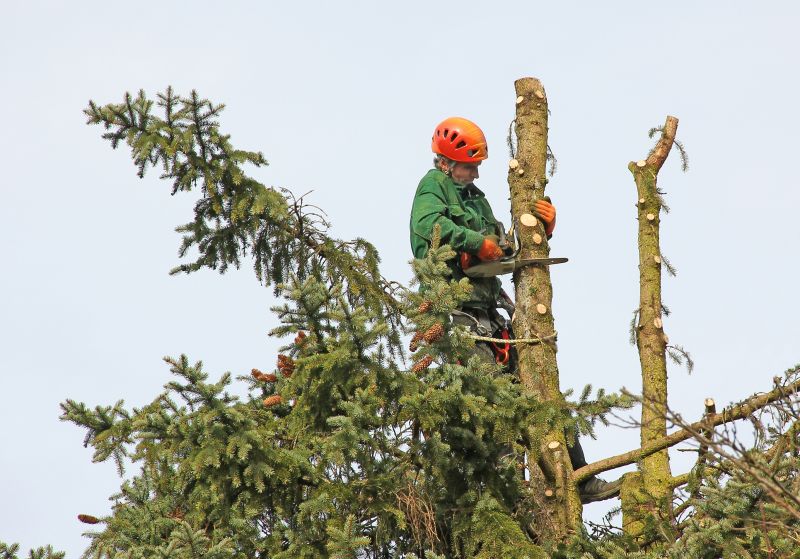
Cedar Tree Crown Reduction - Reduces the size of the tree to prevent overgrowth.
Cedar Tree Thinning - Improves air circulation and sunlight penetration within the canopy.
Cedar Tree Maintenance - Supports the overall safety and longevity of cedar landscapes.
Cedar Tree Trimming Questions
Why should I trim my cedar trees? Regular trimming helps maintain the health, shape, and appearance of cedar trees, preventing overgrowth and potential damage.
When is the best time to trim cedar trees? Cedar trees are best trimmed during late winter or early spring before new growth begins.
What tools are used for cedar tree trimming? Pruning shears, saws, and loppers are commonly used to safely and effectively trim cedar trees.
How can I tell if my cedar tree needs trimming? Signs include dead or broken branches, overgrown canopies, or a dense, uneven shape that affects the tree's health.
Request Cedar Tree Trimming in Allentown, PA
Use the quote form on this page to share the basics of your project and request more information for the type of work you need.