Get Residential Tree Service
Residential Tree Service providers handle tasks like tree trimming, removal, pruning, and health assessments to address safety, aesthetic, and property maintenance needs.
Property owners considering tree care projects often seek reliable local contractors to handle a variety of needs, from pruning and trimming to removal and health assessments. Proper tree maintenance can enhance curb appeal, improve safety, and support the overall health of landscape features. Exploring options within the area ensures access to experienced service providers who understand the specific conditions and requirements of local trees, making it easier to plan and compare services effectively.
If you're interested in finding qualified professionals for residential tree services, this platform helps connect you with local contractors equipped to manage your project. By reviewing available options, property owners can make informed decisions and choose providers that best suit their needs. Keep reading to discover how to find the right local experts to support your tree care goals.
- Tree Removal - needed when a tree is dead, diseased, or poses a safety risk to property or people.
- Pruning and Trimming - required to maintain tree health, improve appearance, or prevent interference with structures or power lines.
- Stump Grinding - necessary after tree removal to eliminate unsightly stumps and clear space for landscaping or construction.
- Emergency Tree Services - needed during storms or severe weather to address fallen or hazardous trees promptly.
- Tree Health Assessments - performed when signs of disease or pest infestation are observed, to determine necessary treatment or removal.
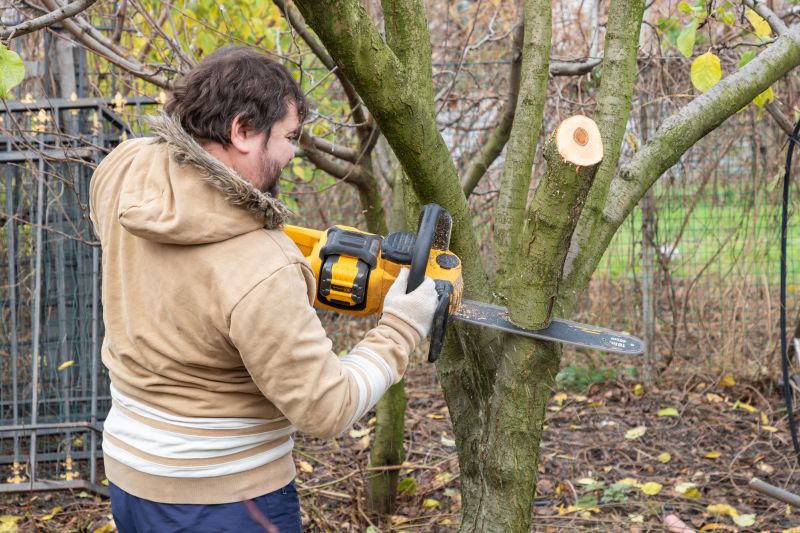
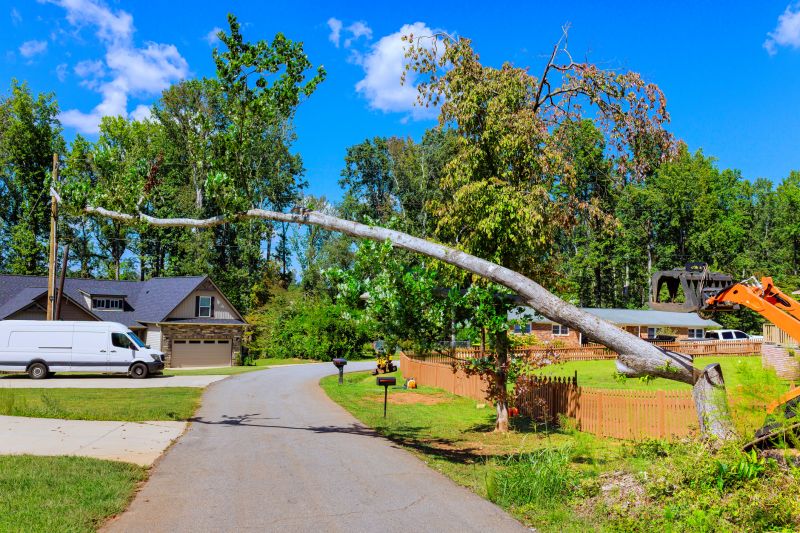
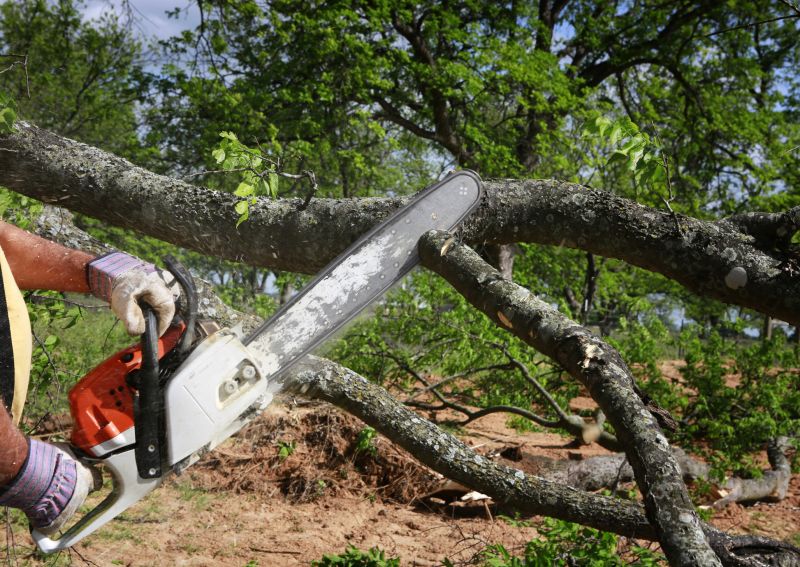
Residential tree services encompass a range of professional tree care activities designed to maintain the health, safety, and appearance of trees on private properties. These services often include pruning, trimming, and shaping trees to promote proper growth and remove dead or diseased branches. Additionally, tree removal may be necessary when a tree is severely damaged, diseased, or poses a risk to nearby structures or people. Service providers also offer stump grinding and cleanup to ensure the property remains safe and visually appealing after tree work is completed.
Many homeowners turn to tree services to address common problems such as overgrown branches that obstruct pathways or power lines, trees that have become unstable due to disease or storm damage, or trees that are crowding other plants and reducing sunlight. Regular maintenance can prevent issues like falling branches or entire trees collapsing, which could cause property damage or injury. In cases where trees are dead or dying, prompt removal can help prevent accidents and protect the safety of family members, pets, and neighbors.
Residential properties that typically utilize tree services range from single-family homes to larger estate grounds. Urban and suburban neighborhoods often require tree trimming and pruning to keep trees from interfering with utility lines, driveways, or sidewalks. Larger properties with extensive landscaping may need ongoing tree maintenance to preserve their aesthetic appeal and safety. Trees located near homes, fences, or other structures are particularly important to monitor and maintain, especially if they show signs of instability or disease.
Homeowners who notice signs of trouble with their trees-such as large dead branches, leaning trunks, or visible decay-should consider consulting local service providers for an assessment. Tree services can help solve problems related to storm damage, pest infestations, or growth issues that threaten the health or safety of trees. Engaging experienced professionals ensures that the work is performed properly, reducing the risk of property damage and prolonging the life of valuable landscape trees.
The overview below groups typical Residential Tree Service projects into broad ranges so you can see how smaller, mid-sized, and larger jobs often compare in your area.
In many markets, a large share of routine jobs stays in the lower and middle ranges, while only a smaller percentage of projects moves into the highest bands when the work is more complex or site conditions are harder than average.
Small Tree Trimming - Most routine trimming jobs for small trees typically cost between $150 and $400. Many projects fall within this range, depending on the tree's size and location. Larger or more complex jobs may push costs higher, but they are less common.
Medium Tree Removal - Removing medium-sized trees generally ranges from $500 to $1,500. This is the most common price band for standard removals, with fewer projects reaching above $2,000 for more challenging cases.
Large Tree Services - Services for large or hazardous trees often cost between $2,000 and $5,000. These jobs are less frequent and usually involve complex equipment or special safety measures, which can increase the price.
Full Tree Replacement - Complete removal and replacement of a mature tree can range from $3,000 to over $10,000, depending on the tree species and site conditions. Such projects are less common and tend to be on the higher end of the cost spectrum.
Actual totals will depend on details like access to the work area, the scope of the project, and the materials selected, so use these as general starting points rather than exact figures.
Stump Grinding - local contractors skilled in removing tree stumps using specialized equipment, similar to the tools used in tree removal and pruning projects.
Tree Pruning and Trimming - professionals who shape and maintain trees, requiring similar planning and tools as residential tree service providers.
Emergency Tree Care - handling storm-damaged or hazardous trees involves comparable safety precautions and equipment as standard tree removal services.
Land Clearing - clearing overgrown or wooded areas involves skills in equipment operation and planning akin to residential tree removal.
Tree Cabling and Bracing - installing support systems to stabilize trees shares techniques with pruning and structural assessments.
Storm Damage Cleanup - removing fallen branches and debris requires similar expertise in handling large limbs and using heavy-duty tools as in tree servicing projects.
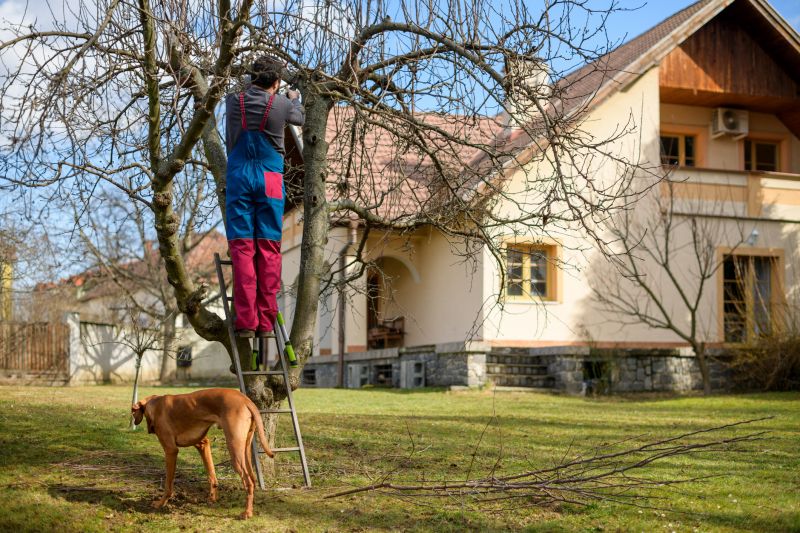
When evaluating potential service providers for residential tree work, it’s important to consider their experience with similar projects. Homeowners should seek out local contractors who have a proven track record handling the specific types of tree services needed, such as pruning, removal, or health assessments. An experienced professional will be familiar with the common challenges of maintaining trees in the local climate and environment, which can contribute to a smoother project process and more reliable results.
Clear and detailed written expectations are essential when comparing local contractors. Homeowners should look for providers who can offer comprehensive estimates that outline the scope of work, methods, and any materials involved. Having a well-defined plan helps ensure that everyone is aligned on the project’s goals and reduces the chances of misunderstandings or surprises during the work. Good communication from the outset can also make the process more efficient and less stressful.
Reputable references and strong communication skills are key indicators of a reliable service provider. Homeowners are encouraged to ask for references from previous clients or check online reviews to gauge the quality of past work. It’s also helpful to observe how promptly and clearly the contractor responds to questions and concerns. A professional who maintains open lines of communication and provides credible references demonstrates a commitment to transparency and customer service, making it easier to select a trustworthy local provider for residential tree services.
Property owners use Residential Tree Service services for practical projects around their homes and businesses. This guide focuses on everyday jobs and straightforward project options.
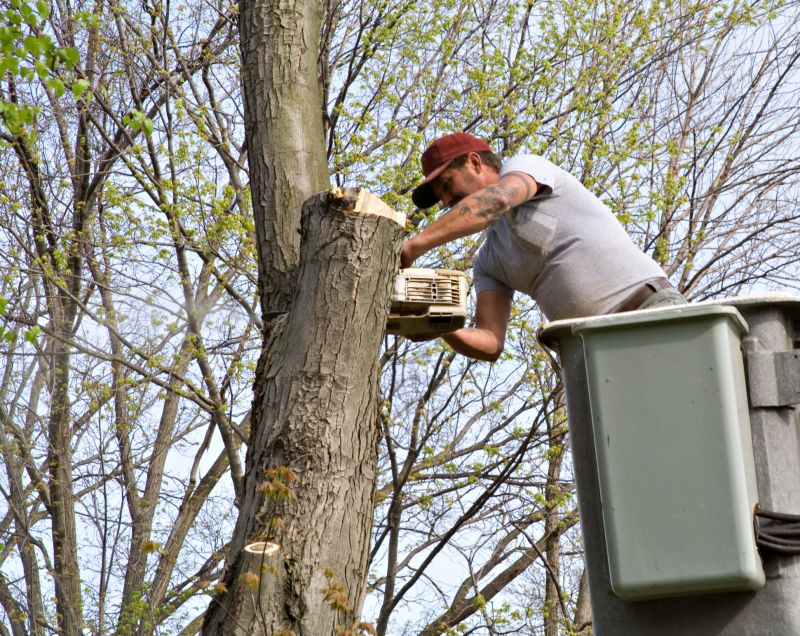
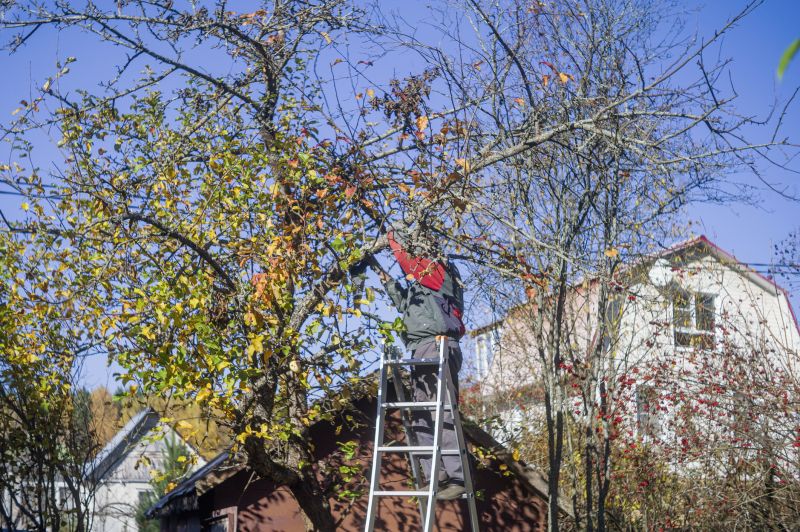
Residential property owners often seek tree services to address common concerns such as overgrown branches that threaten power lines or obstruct views. Removing dead or hazardous trees can also be a priority to ensure safety and prevent potential damage during storms. Additionally, many homeowners look for trimming and pruning to maintain the health and appearance of their trees, enhancing the overall curb appeal of their properties.
In other cases, property owners may need tree removal to clear space for new landscaping projects or construction. Storm damage can leave trees leaning or broken, requiring professional cleanup and removal. For these everyday situations, local contractors specializing in residential tree services can provide the expertise needed to handle a variety of tree-related needs efficiently and safely.
What types of residential tree services are available? Local contractors typically offer services such as tree trimming, pruning, removal, stump grinding, and emergency tree care to maintain and improve the health and safety of trees on residential properties.
How can I determine if a tree needs professional care? Signs that may require professional attention include dead or broken branches, leaning trees, signs of disease or pest infestation, and overgrown or obstructive growth near structures or power lines.
Are tree removal services safe for residential properties? Reputable service providers follow safety protocols and use proper equipment to ensure the safe removal of trees, especially in areas with nearby structures or utilities.
What should I consider when choosing a local tree service provider? It’s important to review their experience, reputation, and the range of services offered, as well as ensuring they have appropriate insurance and follow safety standards.
Can local contractors handle emergency tree services? Yes, many service providers offer emergency response for fallen or hazardous trees to help protect your property and ensure safety during storm or damage situations.
Tree Trimming and Pruning - Maintain the health and appearance of trees by removing overgrown branches that may interfere with power lines or structures.
Stump Removal Services - Clear out unsightly or obstructive stumps to improve yard safety and create space for new landscaping projects.
Emergency Tree Care - Address fallen or damaged trees after storms to prevent property damage and ensure safety around the property.
Tree Health Assessments - Evaluate trees for signs of disease or decay to determine necessary care or removal to protect property value.
If you are thinking about Residential Tree Service for a property, this guide is meant to help you understand the work, the typical project types, and how different options might fit your plans.
When you are ready, you can use the quote form on this page to share a few details about your project. From there, local pros can review the basics and respond with options that match what you have in mind.