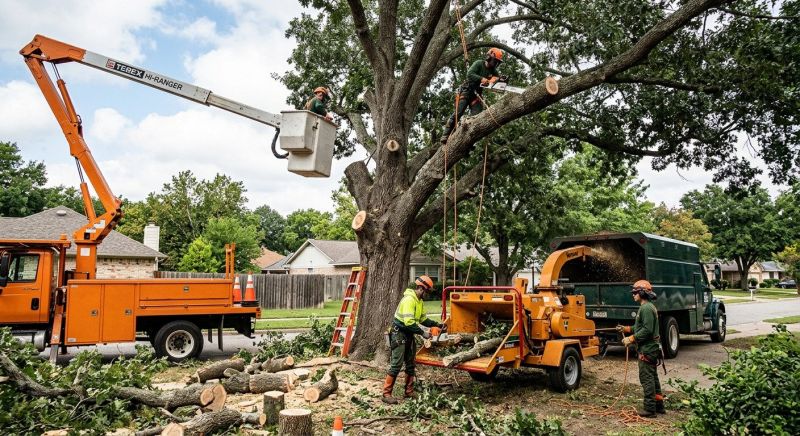
Dogwood Tree Removal in Doylestown, PA
Dogwood tree removal services involve the careful and efficient removal of dogwood trees that are damaged, diseased, dead, or pose a safety risk to a property. These projects typically include assessing the tree’s condition, planning the safest removal method, and performing the work to prevent damage to surrounding landscaping or structures. Property owners often seek this service to clear space for new landscaping, eliminate hazards from falling branches, or remove trees that are no longer healthy or aesthetically fitting for their property.
Before requesting dogwood tree removal, property owners usually want to understand the scope of work involved, including whether the entire tree will be removed or if pruning is an option. It’s also helpful to know about the potential impact on the landscape, any necessary permits, and how the debris will be managed afterward. Clarifying these details can ensure the removal process aligns with the property’s needs and helps avoid surprises during the project.
Many property owners in Doylestown, PA look into Dogwood Tree Removal for repairs, replacements, upgrades, and appearance-related improvements.
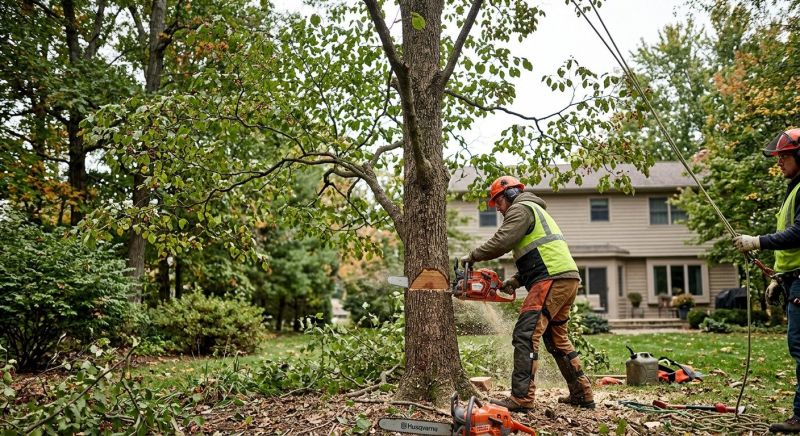
Tree Removal For Safety
Removing damaged or overgrown dogwood trees helps prevent potential hazards on your property.
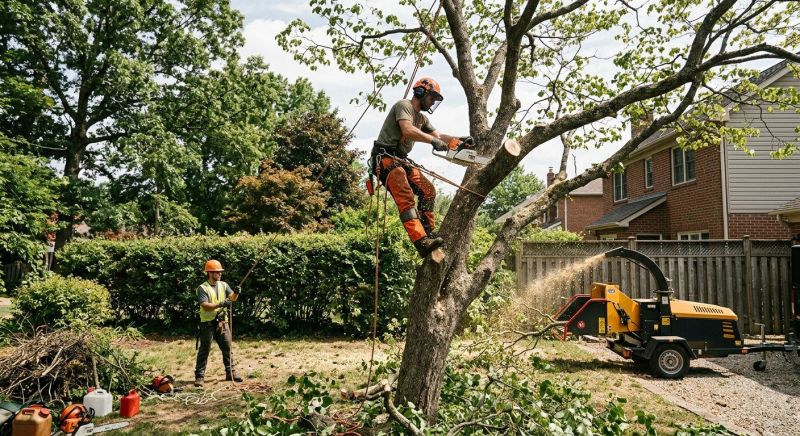
Enhancing Landscape Appearance
Clearing out old or unwanted dogwood trees can improve the overall look of your yard.
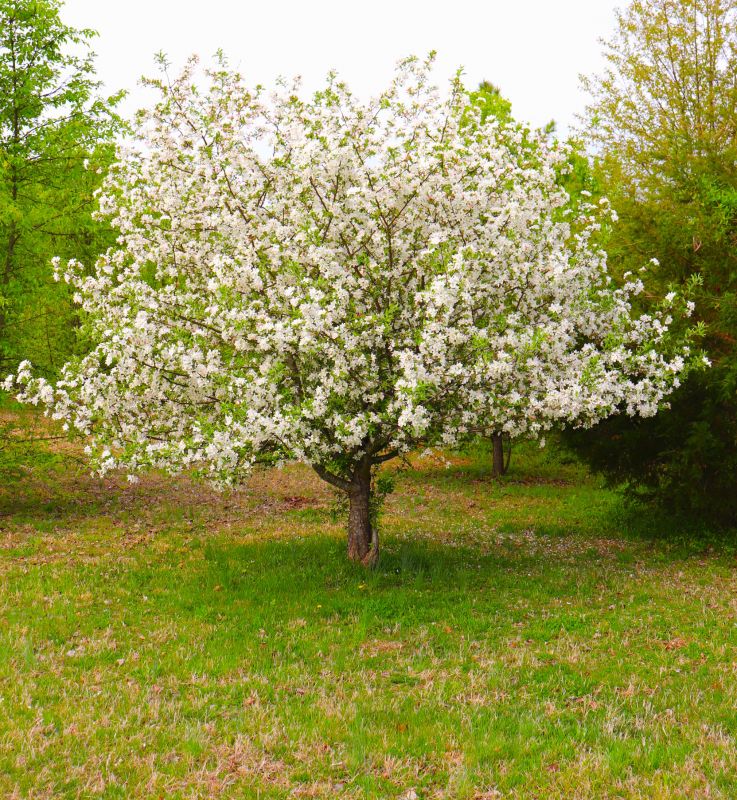
Preparing For Property Improvements
Dogwood tree removal is often necessary before new construction or landscaping projects in doylestown, pa.
Dogwood Tree Removal in Doylestown, PA

Dogwood tree removal services involve the careful and efficient removal of dogwood trees that are damaged, diseased, dead, or pose a safety risk to a property. These projects typically include assessing the tree’s condition, planning the safest removal method, and performing the work to prevent damage to surrounding landscaping or structures. Property owners often seek this service to clear space for new landscaping, eliminate hazards from falling branches, or remove trees that are no longer healthy or aesthetically fitting for their property.
Before requesting dogwood tree removal, property owners usually want to understand the scope of work involved, including whether the entire tree will be removed or if pruning is an option. It’s also helpful to know about the potential impact on the landscape, any necessary permits, and how the debris will be managed afterward. Clarifying these details can ensure the removal process aligns with the property’s needs and helps avoid surprises during the project.
Many property owners in Doylestown, PA look into Dogwood Tree Removal for repairs, replacements, upgrades, and appearance-related improvements.
Common Dogwood Tree Removal Jobs
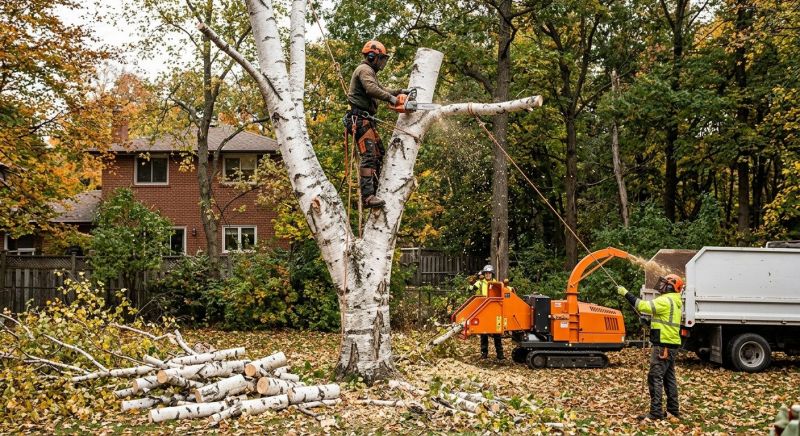
Tree Removal - safely removing dogwood trees that are damaged or diseased.
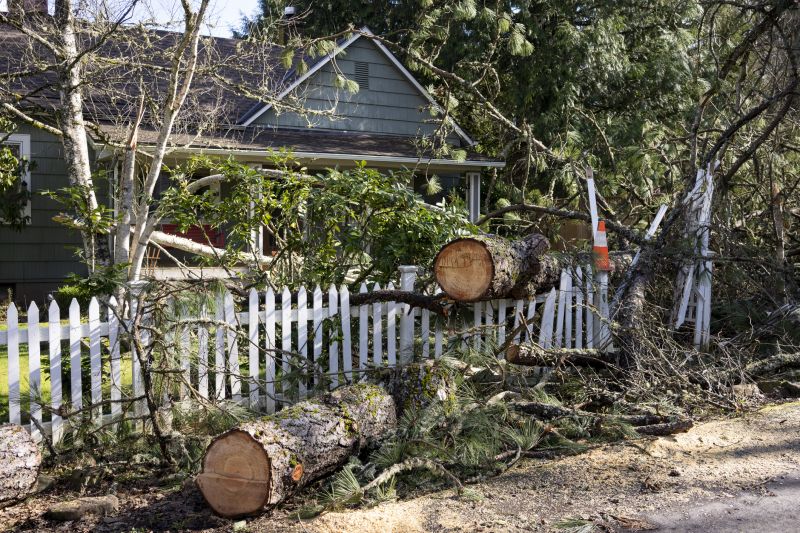
Emergency Tree Removal - quickly addressing fallen or hazardous dogwood trees after storms.
Stump Grinding - eliminating remaining stumps to prevent regrowth and improve yard appearance.
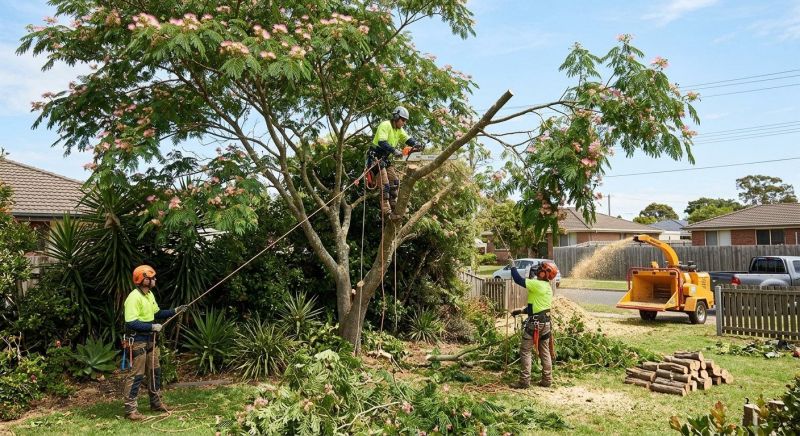
Selective Tree Removal - removing specific dogwoods to improve landscape health or view.
Hazard Tree Removal - removing trees that pose a risk to structures or nearby power lines.
Complete Tree Removal - clearing entire dogwood trees for construction or landscaping projects.
Dogwood Tree Removal Questions
Why might someone need to remove a Dogwood tree? Removal may be necessary if the tree is diseased, damaged, or poses a safety risk to the property.
What are common signs that indicate a Dogwood tree should be removed? Signs include extensive decay, dead branches, or root issues affecting nearby structures.
Is it possible to remove a Dogwood tree without damaging surrounding plants? Yes, proper techniques and equipment can minimize impact on nearby landscaping.
What should property owners consider before removing a Dogwood tree? Consider the tree's size, location, and potential effects on the landscape or property value.
Request Dogwood Tree Removal in Doylestown, PA
Use the quote form on this page to share the basics of your project and request more information for the type of work you need.